

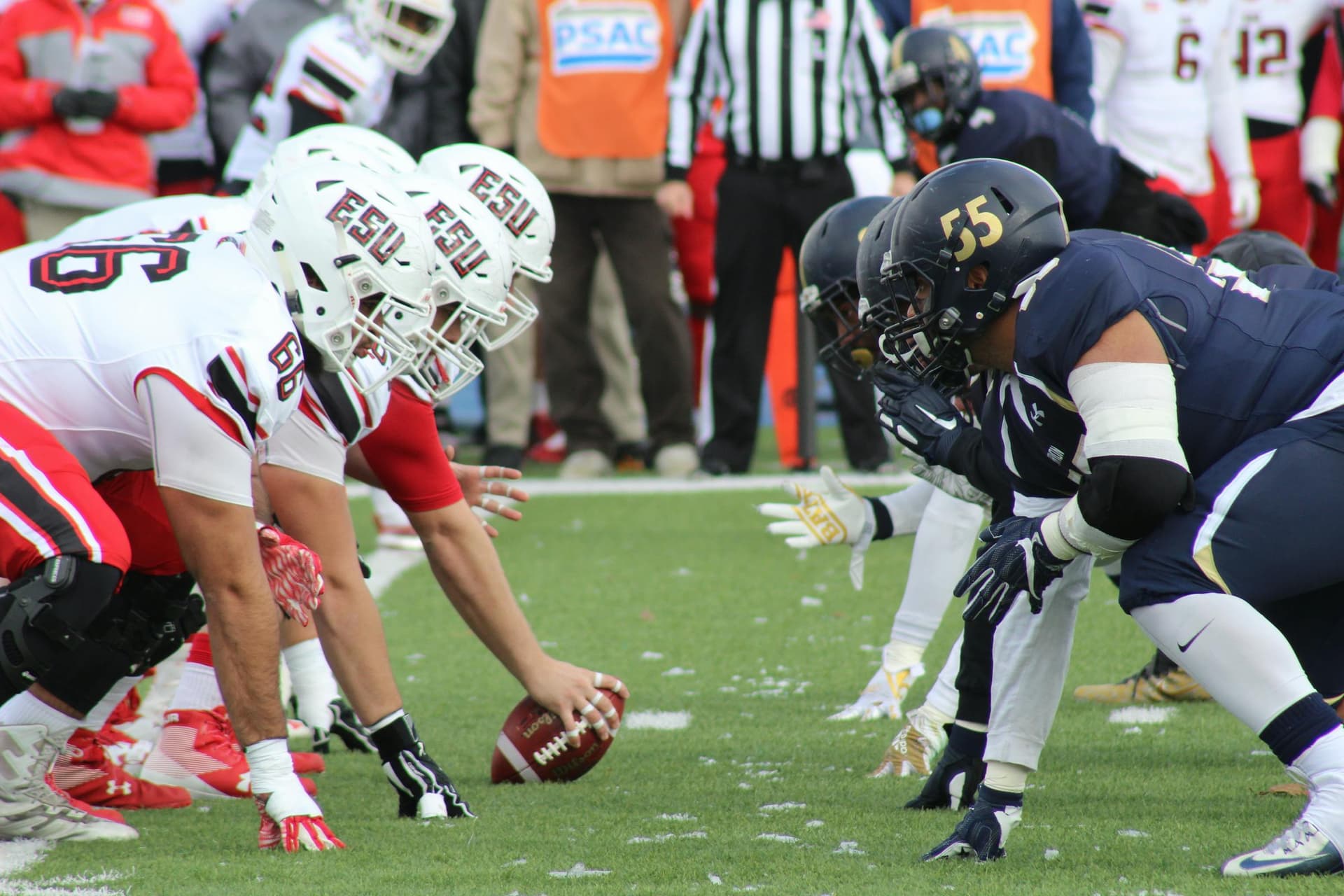
Your kid wants to play football. You want to say yes. But the headlines about concussions, CTE, and long-term brain injuries have you second-guessing everything. That concern is valid — and it is exactly why the right program matters more than ever.
The Real Conversation About Football Safety
Youth football has changed dramatically in the last decade. Rule changes, improved equipment, and coaching education have made the sport significantly safer than it was even ten years ago. But not every program keeps up with those standards. The difference between a well-run program and a poorly run one can be the difference between a great experience and a trip to the emergency room.
Here is what parents should look for in any program.
Head Injury Prevention Starts With Coaching
The single most important safety factor in youth football is not the helmet. It is the coach. Proper tackling technique — leading with the shoulder, keeping the head up, wrapping with the arms — prevents the vast majority of head injuries at the youth level.
Ask whether a program’s football coaches are trained in USA Football’s Heads Up Football program. A Heads Up program means:
- Heads Up tackling technique — Shoulder-first contact is taught from day one
- Contact progression — Athletes learn tackling fundamentals before any full-contact drills
- Age-appropriate rules — Younger athletes play flag football before transitioning to contact
- Limited contact in practice — Full-contact drills are capped to reduce cumulative exposure
Equipment Matters — And It Should Be Free
A properly fitted helmet reduces concussion risk significantly. But quality youth football helmets cost $200 to $400 — a barrier that forces many families to buy used equipment that may be expired, damaged, or poorly fitted.
Whatever program your child joins, every helmet should be:
- Certified and within its recommended service life
- Professionally fitted to each athlete
- Inspected before every season
- Replaced immediately if damaged
No family should have to choose between safety and affordability.
Recognizing and Responding to Concussions
Despite every precaution, concussions can still happen. What matters is how quickly they are identified and managed. Every coach and parent should recognize concussion symptoms, including:
- Confusion or disorientation after contact
- Headache, dizziness, or nausea
- Difficulty balancing or walking straight
- Sensitivity to light or noise
- Mood changes or unusual irritability
The rule is simple: when in doubt, sit them out. No athlete returns to play on the same day as a suspected concussion. Return-to-play requires clearance from a medical professional — no exceptions.
Flag Football: A Smart Starting Point
For younger athletes, and for families who are not ready for contact, flag football is a full program — not just a consolation prize. Flag football develops the same skills — route running, throwing, catching, field awareness, teamwork — without the collision risk.
The NFL itself has endorsed flag football as a pathway sport. It is now an Olympic event starting in 2028 in Los Angeles. Your kid can learn the game, fall in love with it, and decide later whether contact football is right for them.
Where FSL Fits
Fundamental Sports Labs doesn’t run its own leagues or events. Instead, in 2027 it will pilot sessions inside the programs kids already attend. Each session will start with the sport the program already plays, and every session will follow the same safety rules, including:
- Screened adults — Before working with kids, every FSL coach and volunteer will pass a California DOJ background check and child-abuse reporting training
- Never alone — At least two screened adults at every session, with the program’s own staff in the room, and no adult alone with a child out of sight of others
- Written permission — Written permission from a parent or guardian to take part, for AI activities and, separately, for any photo
The Bottom Line
Football is not inherently dangerous. Poorly coached, poorly equipped football is. The right program — with trained coaches, proper equipment, and evidence-based safety protocols — gives your child the benefits of the sport while minimizing the risks.
Your kid’s safety is not negotiable.
Ready to learn more? See how FSL’s sessions will work or join the family list. Have safety questions? Contact us directly — we are always happy to talk.